 English
 Indian
 العربية
 Español
 Deutsch
 Türkçe
 Русский
 Français (Afrique)

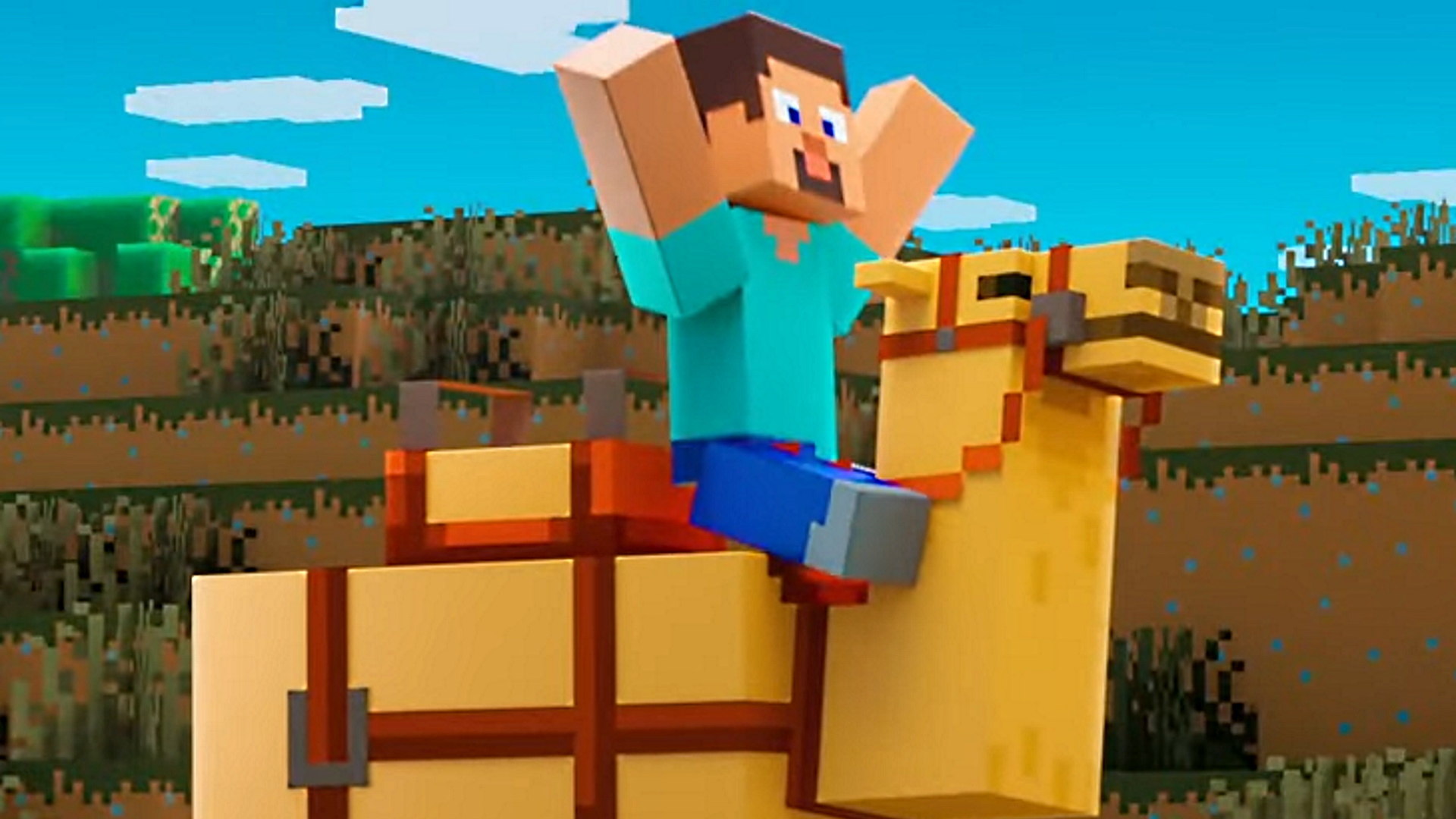
Wait, how did Lego beat Minecraft to making a city builder?
Lego announced a city builder called Lego Skylines last month and we all collectively said: "Oh yeah, duh." A landscape of colorful bricks snapping together into a metropolis from the godlike perspective we already view our real life Legos just makes sense.
Hold on, what about the brand I affectionately refer to as "digital Legos"? Minecraft should by rights have spawned a city building spinoff by now. How were Lego and Mojang not competing over this category of PC players years ago? trojkonferencja2024.pl
Minecraft as a city builder:
It makes sense
- Templated structures like villages, temples, and fortresses are already a staple in vanilla Minecraft
- Villagers: we love to exploit 'em and give them jobs
- Minecraft players love to build, why not cities?
- The first generation of Minecraft players (me) are Old™ now and we can appreciate slower, strategic games
- There are Minecraft mods for this, so players definitely like the idea
- Minecraft already has several spinoffs in other genres (Minecraft Dungeons and Minecraft Legends)

Maybe it doesn't?
- This is so obvious that maybe Mojang has prototyped one internally and it just wasn't great
- Maybe it's on the to-do list but Mojang hasn't found a partner studio to work on it
- Minecraft spinoffs have a mixed track record. Minecraft Dungeons is good but Minecraft Legends is not.

Touch grass? Not when AMD has whittled down ray tracing memory usage by 98% for these hardware-sapping bushes and trees
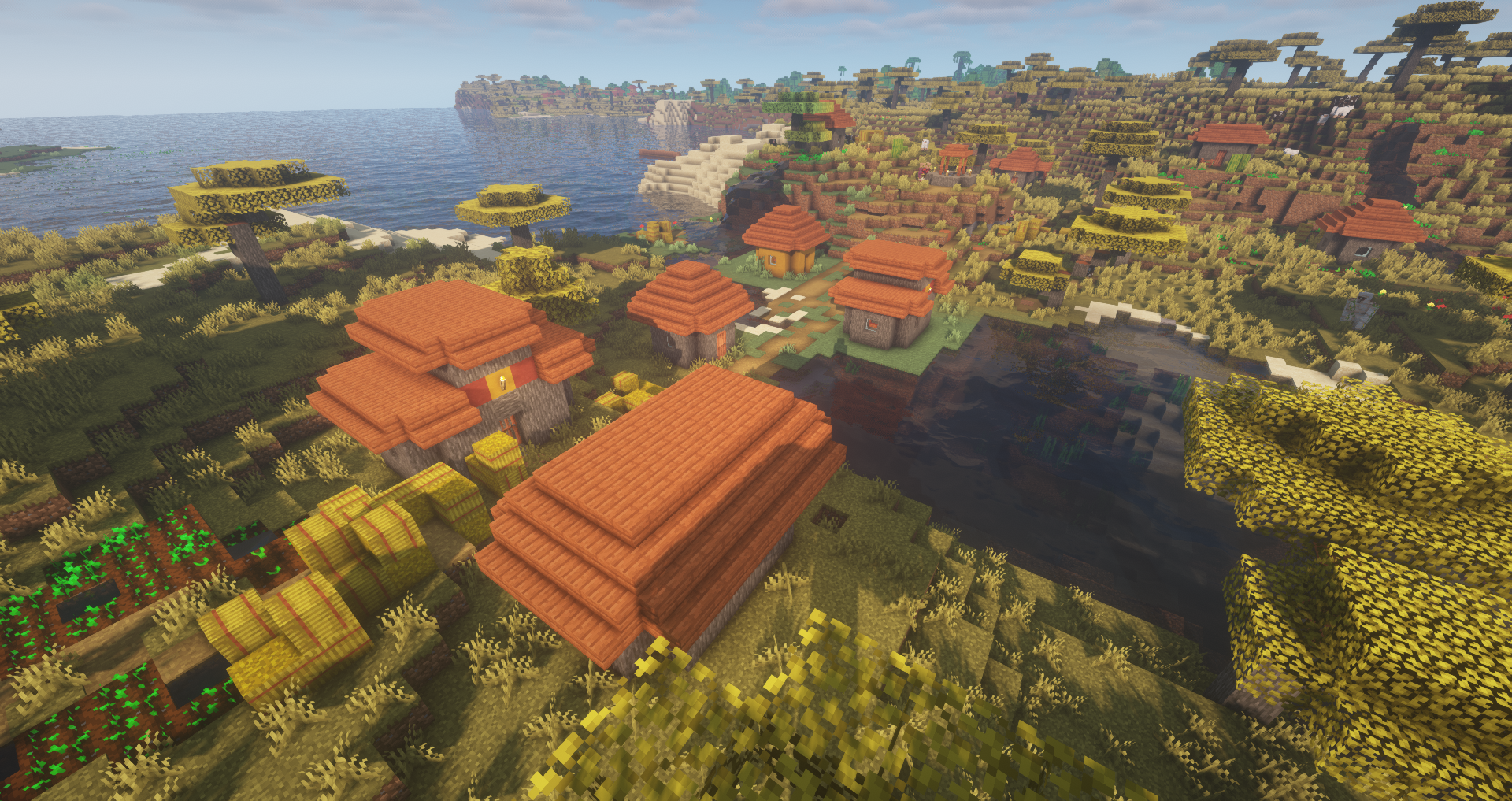
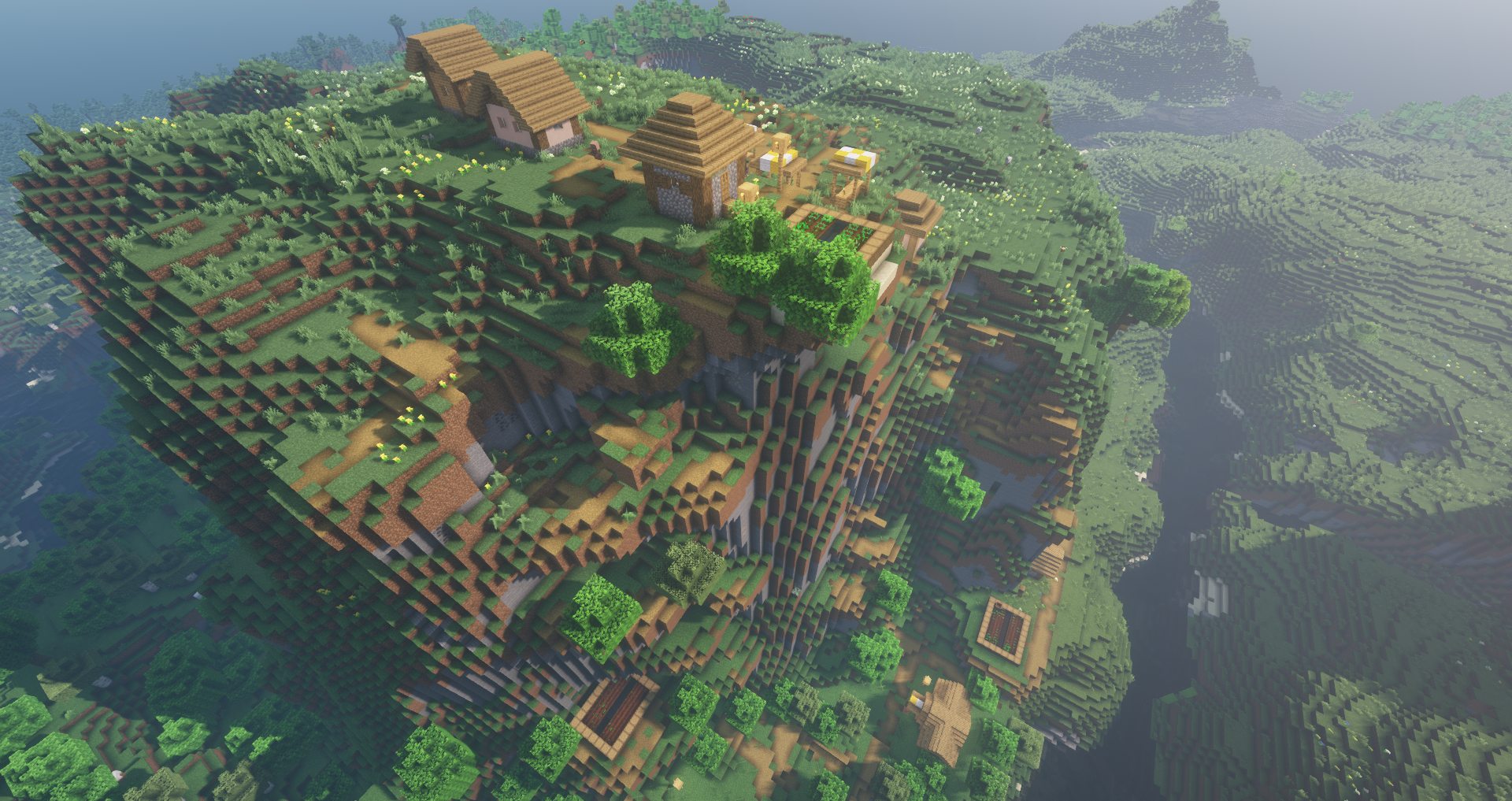
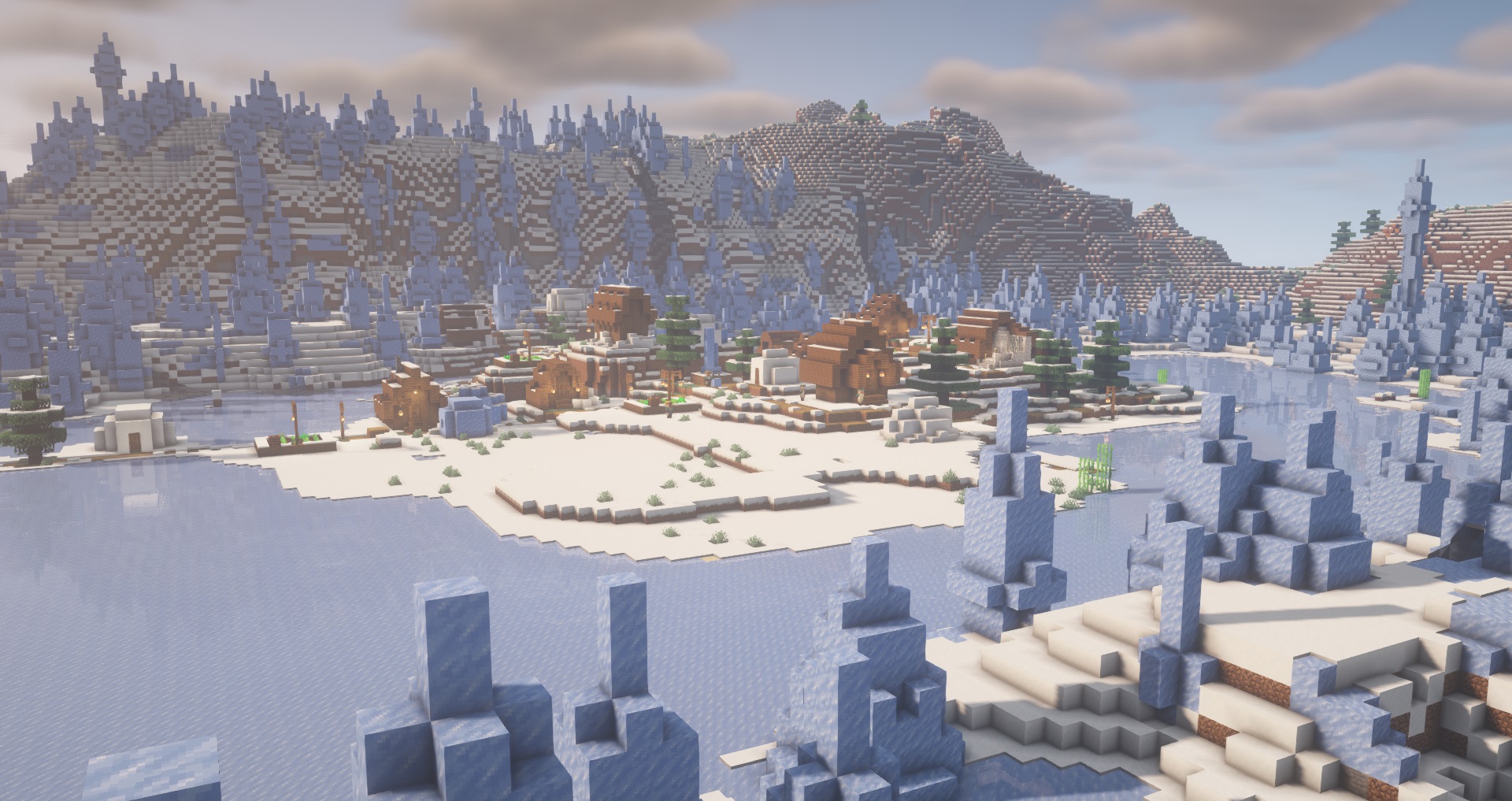
As someone who spent a lot of their childhood talking to trees, I'm of the opinion that videogame forestry doesn't need to look any better than Alan Wake 2's Pacific Northwest woodlands. That hasn't stopped AMD from innovating though; by leveraging 'tetrahedral cages' to help render a vast scene of greenery, researchers at the company say they've managed to cut the potential ray tracing memory usage by 98%.
Typically, a scene of around 25,000 independently animated plants made of hundreds of thousands of triangles could hoover up 80 GB of GPU memory. Not only that, but it would take a Radeon RX 9070 XT GPU 300 ms per frame to check which surfaces within a scene are intersecting with a ray (the data structure that organises this information is called a Bounding Volume Hierarchy). In short, using traditional tech to render such a densely populated scene would be slow and choppy.
Holger Gruen, a Fellow of AMD's Advanced Graphics Program, recently shared on GPUOpen that the team's tetrahedral cage demos only use "1.7 GB of BVH memory and approximately 3.3 ms for all BVH updates per frame" in comparison. Touch grass? Not when we've got trees like these.
Anyway, let me break down how this tech works: a tetrahedral cage essentially wraps around the dense mesh of all that plant matter. Rather than many polygonal leaves bobbing in the simulated breeze, only the simplified cage deforms instead. So, rather than looking straight at the many wibbly-wobbly vertices of a virtual tree, rays are instead traced along the simplified surface structure of the tetrahedral cage around it.
At the risk of really oversimplifying, I think of this tech a bit like those 3D models or laser-engravings you sometimes see inside cubes of crystal—but maybe that's just me.
"The dense geometry of an animated object and its BVH structures remain static and reusable. During runtime, only the cage deforms. Rays are transformed back into a static reference frame before intersecting them with the dense set of triangles," Gruen explains. "This means animation cost only scales with cage complexity, not with triangle count. This comes at the expense of losing animation control over every vertex, but this is fine for many animations."
In other words, for a scene where the focus is less on the luscious fronds of a single plant and more on a field of foliage, devs likely won't miss the ability to finetune individual animations. But for 3D trees with personality, tetrahedral cages won't be as useful.
It's also important to note that the tech is still a research demonstration, rather than a fully fledged feature coming to a game near you soon. That said, the team is already "hard at work" on making "DXR samples and a header-only C++ library that allows building high-quality tetrahedral cages for skinned objects, keyframe-animated objects, and static objects." You can also read more about the team's research in the open access paper 'Ray Tracing Massive Amounts of Animated Geometry'.
Bungie says "we are not done with Destiny" and promises to restore all that content it deleted: "What's rightfully yours"
After ending development and laying off most of the Destiny 2 team, Bungie says Destiny still has a future, and it starts with undoing the game's biggest mistake.
In a new video and blog post explaining "the next chapter for Bungie," studio head Poria Torkan joins product head and Marathon GM Josh Deane to address an understandably worried fan base.
"We are not done with Destiny," the post reads, calling the now-calcified MMO "foundational to our future."
"We want to return Destiny to its original promise, to recapture the qualities that have always made it special," the post continues. "The awe-inspiring mystery, meaningful discovery, and a community of Guardians coming together against impossible odds. That begins with restoring important parts of Destiny 2's history that players can no longer experience today."
Deane expands on this point in the video, calling the vaulted content, including paid content that was removed from the game for opaque technical reasons, "what's rightfully yours."
"It's going to take some time. I wish we could just flip a freakin' switch," he says. "But we're going to commit to unvaulting the Destiny 2 campaigns, the destinations, the raids that never should have been ripped away to begin with."
Unvaulted content will be brought up to "the stability and gameplay standards of Destiny 2 today," Bungie says, from lighting to combatant AI.
Bungie owns up to the massive misstep of the DCV in its blog post: "We cannot change the decision we made, but we can acknowledge its impact and do the work to make it right by restoring these important parts of Destiny's history."
"That restoration will hopefully lay the foundation for how we reforge into new Destiny stories and games that you all deserve and that we want to create," Deane adds.
This is reiterated in the blog post: "We have to find a way back to making games that we want to play, but with you at the center." Bungie says it wants to "build a stronger long-term future for Destiny," offering a glimmer of hope for fans mourning the series.
Bungie shuts down leak claiming Destiny will be revived through a merger with Marathon.
Team USA beim Presidents Cup 2026: Scheffler, drei Debütanten und die Jagd auf Sieg Nummer elf in Folge


Scheffler, Schauffele, Thomas und Überraschung Koivun: Das ist das US-Team von Kapitän Brandt Snedeker für den Presidents Cup 2026 in Medinah.
Zehn Siege in Folge, Heimspiel in Medinah, der Weltranglistenerste an der Spitze: Team USA geht als klarer Favorit in den Presidents Cup 2026 (24. bis 27. September). Kapitän Brandt Snedeker setzt auf eine Mischung aus eingespielten Duos und drei Debütanten – darunter mit dem 21-jährigen Jackson Koivun die größte Überraschung der Nominierung.
Der Kapitän: Brandt Snedeker
Brandt Snedeker führt das US-Team zum ersten Mal als Kapitän an. Ihm zur Seite stehen als Assistenten unter anderem Jim Furyk, Kapitän des siegreichen US-Teams von 2024, und Keegan Bradley, Ryder-Cup-Kapitän von 2025, dazu Webb Simpson und Gary Woodland. Als Kapitän des Gastgebers durfte Snedeker festlegen, mit welchem Format der Cup beginnt: Am Donnerstag wird mit fünf Fourballs eröffnet.
Die sechs automatisch Qualifizierten
Die ersten sechs der US-Punkteliste, die sich am FedExCup orientiert, waren gesetzt (Weltranglistenplätze zum Zeitpunkt der Nominierung am 1. September):
- Scottie Scheffler – Weltranglistenerster und Sieger der Tour Championship. Dritter Presidents Cup (2022, 2024), Bilanz bislang überraschend negativ: 3 Siege, 5 Niederlagen.
- Cameron Young – Nummer drei der Welt, 2026 Sieger der Players Championship und der Cadillac Championship. Zweiter Einsatz nach 2022 (1-2-1).
- Wyndham Clark – Sieger der BMW Championship 2026, Nummer fünf der Welt. Zweiter Einsatz nach 2024 (1-2-1).
- Russell Henley – Nummer sechs der Welt. Holte 2024 bei seinem Debüt drei Punkte aus vier Matches (3-1-0) und spielte seine Team-Matches im Presidents Cup und Ryder Cup bislang ausnahmslos an der Seite von Scheffler.
- Sam Burns – Dritter Einsatz (3-3-3). Blieb 2024 in Montreal als einziger Amerikaner ungeschlagen und holte 3,5 von 4 möglichen Punkten.
- Collin Morikawa – Dritter Einsatz, starke Bilanz von 6-2-0.
Die sechs Captain's Picks
- Xander Schauffele – Vierter Presidents Cup, Bilanz 10-4-0. Mit Patrick Cantlay bildet er das verlässlichste US-Duo: im Foursome gemeinsam 4-1-0.
- Patrick Cantlay – Ebenfalls 10-4-0 aus drei Einsätzen, zuletzt Zweiter der BMW Championship.
- Justin Thomas – Der emotionale Anführer kehrt nach verpasstem Cup 2024 zurück. Bilanz 10-3-2 aus drei Einsätzen (2017, 2019, 2022), in dieser Saison Vierter der PGA Championship.
- Chris Gotterup (Debüt) – Drei Turniersiege 2026 (Sony Open, WM Phoenix Open, John Deere Classic), bei der Nominierung gemeinsam die meisten Saisonsiege auf der PGA Tour. Als Siebter der Punkteliste knapp an der direkten Qualifikation vorbei.
- Jacob Bridgeman (Debüt) – Der 26-Jährige gewann das Genesis Invitational in Riviera und führte die PGA Tour in der Putt-Statistik „Strokes Gained: Putting“ an.
- Jackson Koivun (Debüt) – Die große Überraschung: erst 21 Jahre alt, nur Rang 48 der Punkteliste, aber Sieger der 3M Open mit dem Turnierrekord von 25 unter Par und drei Schlägen Vorsprung – dabei ließ er auch Scottie Scheffler hinter sich. Er ist der jüngste US-Starter seit Jordan Spieth 2013.
Stärken: Tiefe und eingespielte Duos
Alle sechs direkt qualifizierten US-Spieler standen bei der Nominierung in den Top elf der Weltrangliste – der bestplatzierte Spieler des Internationalen Teams, Si Woo Kim, rangiert dahinter. Dazu kommen erprobte Paarungen: Scheffler/Henley und Schauffele/Cantlay sind gesetzt, Morikawa hat laut PGA Tour bereits mit vier Spielern des aktuellen Kaders zusammengespielt. Thomas, Schauffele und Cantlay bringen es zusammen auf 30 Siege im Presidents Cup.
Fragezeichen: Schefflers Bilanz und drei Neulinge
So dominant Scottie Scheffler im Zählspiel ist – im Presidents Cup hat er mehr Matches verloren als gewonnen. Drei Debütanten müssen sich im Lochspiel vor Heimpublikum erst beweisen. Und nicht jeder formstarke Amerikaner ist dabei: J.J. Spaun und Jordan Spieth gingen bei den Picks leer aus.
Die Ausgangslage
Die USA haben den Presidents Cup 13-mal gewonnen, zuletzt zehnmal in Folge. 2024 hieß es in Montreal 18,5:11,5. In Medinah soll der elfte Sieg hintereinander folgen – auf einem Platz, der amerikanischen Golffans allerdings auch in unguter Erinnerung ist: 2012 verspielte das US-Ryder-Cup-Team hier am Schlusstag eine 10:6-Führung gegen Europa.
Mehr zum Presidents Cup 2026
- Presidents Cup 2026: Alle Infos, Teams und Artikel im Überblick
- Presidents Cup 2026 im TV und Livestream
- Turnierseite mit Matches und Live-Stand
Dieser Beitrag wurde mit Unterstützung von KI erstellt und redaktionell geprüft.
The post Team USA beim Presidents Cup 2026: Scheffler, drei Debütanten und die Jagd auf Sieg Nummer elf in Folge appeared first on Golf Post.